Things to Do in Sofia
Seven millennia deep, mountain-backed, and priced like Europe hasn't noticed
Top Things to Do in Sofia
Find activities and tours you'll actually want to do. Book through our partners -- no booking fees.


Plan Your Trip
Essential guides for timing and budgeting
Climate Guide
Best times to visit based on weather and events
View guide →Day Trips
The best excursions and nearby destinations worth the journey
Explore day trips →Where to Stay
Best neighbourhoods, hotel picks, and booking tips
Find hotels →Travel Insurance
What's required, what coverage matters, and how to get a quote
Read guide →What to Pack
Climate-specific gear, essentials, and what to leave at home
See packing list →When Should You Visit Sofia?
Tap a month for weather, crowds, and highlights
View full year-round climate guide →Explore Sofia

Alexander Nevsky Cathedral
City
Banya Bashi Mosque
City
Boyana Church
City
Central Market Hall
City
Dragalevtsi Monastery
City

Ivan Vazov National Theatre
City
Mount Vitosha
City
National Art Gallery
City
National Museum Of History
City
National Palace Of Culture
City

Russian Church Of St Nicholas
City
Saint Sofia Church
City
Serdica Archaeological Complex
City
Serdika Archaeological Complex
City
Sofia Synagogue
City
Vitosha Boulevard
City
Your Guide to Sofia
About Sofia
Sofia greets you through your shoes. Descend into Serdica metro station and you tread over 4th-century Roman walls, visible through glass panels as commuters stream past without looking down. That shrug toward its own past is Sofia in one gesture. Seven thousand years of continuous habitation sit on the city like rain on old stone, unnoticed, unlabeled.
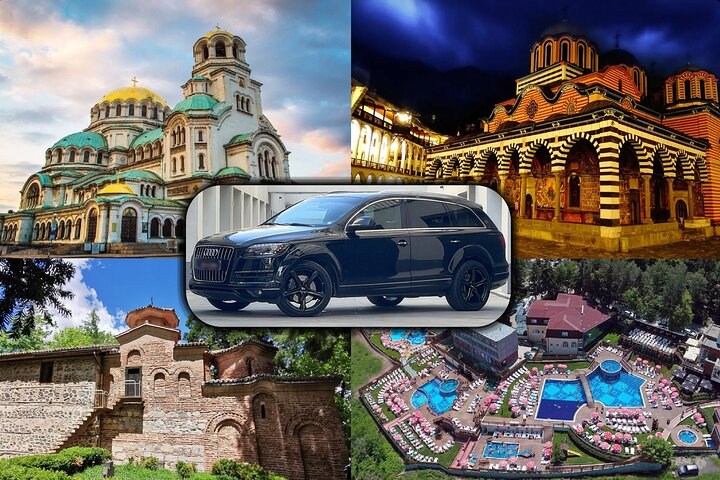
The gold domes of Alexander Nevsky Cathedral catch afternoon light like a second sun above the rooftops. Turn onto Vitosha Boulevard, the pedestrian artery running south toward the mountain, and you dodge gelato carts while bakeries pull fresh banitsa from ovens, butter and yeast curling into the air. This is likely the last affordable capital in the EU, where a long dinner with wine costs what a single appetizer fetches in Vienna or Copenhagen.
The trade-off is visible. Sidewalks buckle. Soviet-era apartment blocks loom like concrete watchtowers. Winter air turns acrid when wood-burning heaters fire up. By January your throat feels it by evening. Walk ten minutes off the tourist circuit into Oborishte or Lozenets. Linden trees shade sidewalk cafes. Cool air from Vitosha slips through open windows.
The sense of a European capital not hollowed out by its own popularity is unmistakable. Sofia rewards the curious over the comfortable. For now, probably not forever, you can still have it mostly to yourself.
Travel Tips
Transportation: Sofia's two metro lines cross at Serdica station, putting most sights within walking distance. The system runs on time and a single ride is the cheapest metro fare in the EU. Buy a reloadable transit card at any station kiosk instead of single tickets. It covers metro, trams, and buses at a lower per-ride rate. For taxis, stick to OK Supertrans or Yellow, the two companies that run honest meters. Avoid any cab that approaches you at the airport or central station without being asked. The markup is steep and avoidable. The TaxiMe app locks in fares before pickup. The center is compact enough that walking handles most of it. Twenty minutes from NDK to the cathedral covers half the landmarks.
Money: Bulgaria uses the lev, pegged to the euro at a fixed rate, so the exchange rate never fluctuates. Cards work almost everywhere in the center. But market stalls at Zhenski Pazar and smaller neighborhood shops still deal in cash. Use bank-attached ATMs from DSK, UniCredit, or Postbank. Always decline dynamic currency conversion when the screen offers it. That option lets the ATM set the rate instead of your bank, and it is invariably worse. Sofia is almost certainly the cheapest capital in the EU for daily spending. A full sit-down dinner with wine runs less than a quick lunch in most Western European cities. Tip around ten percent at restaurants. At cafes, rounding up is the norm.
Cultural Respect: Gesture confusion is real and worth knowing before it trips you up. In Bulgaria, a nod means no and a head shake means yes, the exact opposite of what your instincts expect. Younger Sofians have mostly adopted the Western convention when they hear English. But older shopkeepers and anyone outside the tourist center still use the traditional gestures, which can quietly derail a market transaction. In Orthodox churches, and Sofia has dozens tucked into courtyards you would walk past without noticing, keep your voice low and cover your shoulders. Photography is typically fine in the nave but not near the iconostasis. Bulgarians tend toward reserve on first meeting but warm quickly. An attempt at blagodarya, thank you in Bulgarian, goes further than you would expect.
Food Safety: Start at any neighborhood bakery before nine with banitsa, the coiled filo pastry stuffed with sirene cheese that cracks apart in buttery layers and smells like woodsmoke from the oven. Shopska salata appears on every table and doubles as a kitchen quality test: if the tomatoes taste sun-warmed and the sirene crumbles cleanly, the sourcing is right. For grilled meat, kebapche, the seasoned minced-meat rolls charred over coals, carry a cumin-and-savory depth distinct from anything else in the Balkan belt. Tap water in Sofia runs clean, fed from Vitosha's mountain aquifer. The one trap is the restaurants lining Vitosha Boulevard's main stretch, where prices inflate for walk-by traffic and quality drops to match. Two blocks in any direction, everything improves.
When to Visit
Sofia's weather is continental, not Mediterranean. Expect full seasons. Snow to swelter. Each one flips the city. September through early October is prime. Daytime settles at 18 to 22°C (64 to 72°F). Lindens along the boulevards turn gold. Borisova Gradina becomes a long autumn walk you'll rearrange plans for. Hotel rates drop thirty to forty percent below summer peaks.
The Sofia Breathes street festival takes over Dondukov Boulevard. Open-air stages. Live music over cobblestones. If you visit once, choose this window. Spring is second best. Late April through May delivers 15 to 22°C (59 to 72°F). Rain arrives in short afternoon bursts. Cafe tables reappear on Graf Ignatiev Street. March brings the Sofia Film Fest.
International crowd. City shakes off the cold. Summer peaks in July and August. Highs hit 33 to 35°C (91 to 95°F). Sticky but tolerable. Half of Sofia heads to the Black Sea. Restaurants quiet down. Tables open up. Vitosha's pine-scented trails offer cool relief. Pancharevo Lake, a short drive south, is where locals swim.
Accommodation stays at full-season pricing. Still cheap by Western European standards. Winter suits a niche traveler. Temperatures hover between minus 5 and 3°C (23 to 37°F). Air quality dips. Wood smoke drifts over older neighborhoods. Christmas markets near Alexander Nevsky glow warmly. Fewer crowds than Germany or Austria.
Vitosha's ski runs sit minutes from the center. Accommodation drops forty to fifty percent from peak. Budget travelers and skiers win. January value is hard to beat. Everyone else, come in September.
More Ways to Experience Sofia
Tours, day trips, and local experiences curated by on-the-ground operators.
Didn't see anything interesting yet?
Browse Viator's full catalog of tours, day trips, food experiences, and private guides in Sofia.
See All Sofia Tours on Viator